
The Role of Community in Gambling
Gambling communities offer a unique social environment where individuals come together to share experiences, strategies, and emotions surrounding gambling activities. These communities can range from local poker nights to large online casino forums where people interact over virtual tables. The sense of belonging that arises within these groups can significantly influence behavior, often leading to increased participation and investment in gambling activities.
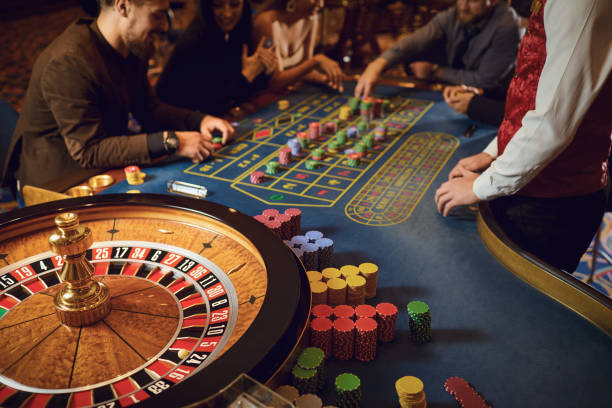
Moreover, community interactions can enhance the thrill of gambling. Members often share wins and losses, creating a shared narrative that amplifies the excitement. This social engagement can sometimes lead to risky behavior, as individuals may feel pressured to conform to group norms or compete with peers, thereby escalating their gambling activities.
The Psychological Impact of Gambling Communities
The psychological effects of being part of a gambling community are profound. Many individuals find that the support and camaraderie of fellow gamblers can lead to a deeper commitment to gambling. This can manifest in both positive and negative ways. On one hand, camaraderie can provide a support network that encourages responsible gambling practices. On the other hand, it can also lead to normalization of excessive gambling, making individuals more likely to engage in problematic behavior.
Additionally, gambling communities can exacerbate feelings of competition and comparison. When individuals see others winning substantial amounts, it can create a sense of urgency to chase losses or increase bets, ultimately impacting their financial decisions and emotional well-being. This psychological tug-of-war highlights the delicate balance that exists within these communities.
Influence of Online Gambling Communities
Online gambling communities have transformed how players interact and share information. These platforms offer anonymity that can embolden individuals to disclose their gambling experiences and strategies openly. However, this anonymity can also lead to a detachment from the consequences of gambling, making it easier for individuals to engage in risky behavior without the immediate feedback that often comes from in-person interactions.
Furthermore, online forums and social media can create echo chambers where certain gambling behaviors are glorified, thus influencing new members. When new players see others discussing significant wins or unique strategies, they may feel compelled to adopt similar approaches, regardless of the inherent risks involved. This dynamic can perpetuate cycles of high-stakes gambling, often without consideration of personal limits.
The Impact of Culture on Gambling Behavior
Cultural factors play a significant role in shaping the behaviors and attitudes of gambling communities. In some cultures, gambling is seen as a form of entertainment and a social activity, while in others, it may carry a stigma. These differing perceptions can greatly influence community dynamics and individual behavior within gambling contexts.
Moreover, cultural narratives surrounding luck, skill, and fortune can inform how individuals engage with gambling. For example, in cultures that highly value luck, individuals may be more likely to adopt a fatalistic approach to gambling, believing that outcomes are beyond their control. This perspective can impact decision-making and lead to more reckless gambling behaviors.

Ensuring Safe Interaction in Gambling Communities
As gambling communities continue to evolve, ensuring safe and responsible interactions is paramount. Websites that host these communities play a crucial role in fostering a secure environment where individuals can engage without fear of exploitation. By implementing robust security measures and clear guidelines, these platforms can help mitigate the risks associated with gambling.
Moreover, by providing resources for responsible gambling and encouraging open discussions about gambling addiction, these websites can become supportive spaces that prioritize the well-being of their members. Such initiatives not only protect individuals but also contribute to the overall health of the gambling community, fostering a culture of accountability and care.